

Digital Transformation·5 min read
Web Applications: From Idea to Digital Revolution
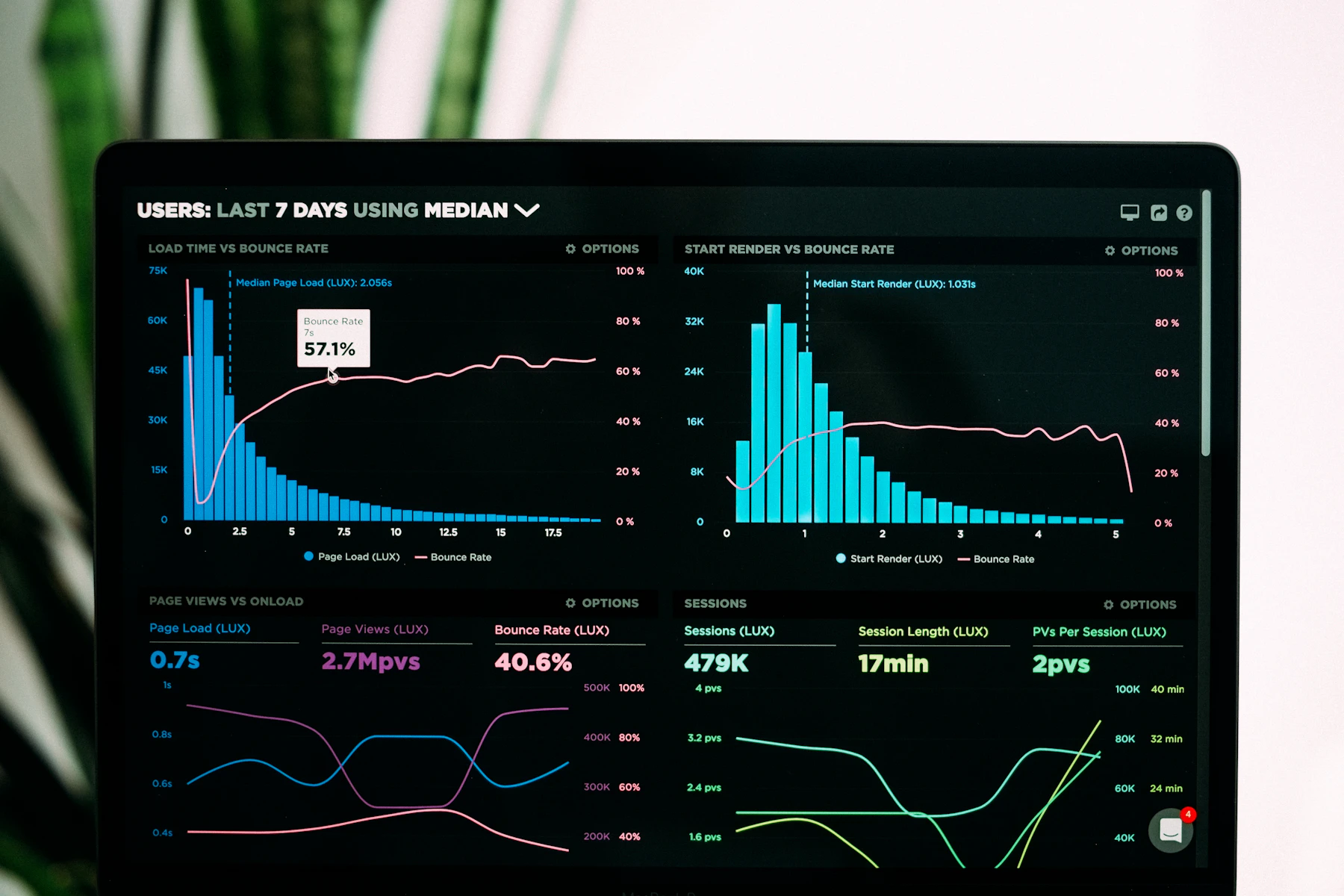
The dawn of the web: from simple pages to smart applications
In 1991, the British computer scientist Tim Berners-Lee introduced the World Wide Web and set off a revolution in how people reach information and communicate. His invention opened the digital world to everyone and laid the groundwork for much of what followed in information technology.
How did websites become applications?
In the mid-1990s, as the internet spread and the demand for dynamic interaction grew, developers looked for ways to take the user experience beyond static web pages. Those efforts gave rise to web applications: programs that run in a web browser and offer much of what desktop software does, without anything to install. Web applications have advanced dramatically thanks to HTML for structuring content, CSS for design and styling, and JavaScript for interactivity and a dynamic user experience. Together, they let developers build programs that run in the browser and feel smooth and easy to use.
Over time, frameworks and libraries such as React, Angular and Vue.js appeared and made building web applications easier and faster. They help developers create complex applications with an orderly, scalable and maintainable structure.
Today, web applications are one of the pillars of the digital world, and their capabilities keep growing as technology advances.
Behind the scenes of modern web applications
Building a modern web application draws on a range of technologies that improve performance, security and the user experience. Some of the key ones are:
Programming and markup languages
- HTML5 and CSS3: the foundation of page structure and design, making structured content and advanced styling possible.
- JavaScript: the main programming language for adding interaction and dynamism to websites.
Front-end frameworks and libraries
- React.js, Angular and Vue.js: tools that make complex, interactive user interfaces easier to build.
Back-end frameworks and platforms
- Node.js, Django and Ruby on Rails: frameworks that take care of the server, the database and the application logic.
Emerging technologies
- Progressive Web Apps (PWA): web applications that feel like native apps and are available straight from the browser, with nothing to install.
- WebAssembly: a technology that runs code written in many languages inside the browser at high speed.
Using these technologies, developers can build web applications that are fast, secure and pleasant to use.

Why web applications are the future of software
Web applications have many advantages over other kinds of applications. Here are some of them:
- Cross-platform access: web applications run in the browser, so there is no need to build a separate version for every operating system.
- Nothing to install: people can use a web application without downloading or installing anything, which also saves storage on their devices.
- Easy updates: changes and updates are made in one central place, so everyone always has the latest version.
- Lower cost and shorter development time: building one web application for every platform takes less time and money than building a native app for each one.
- Easier access: anyone can open a web application by typing its URL into the browser, without searching for it and downloading it from an app store.
- Continuous updates: developers can ship updates continuously, without waiting for app-store approval.
- Broad compatibility: web applications work well on all kinds of devices, from desktops to tablets and phones, at every screen size.
A future that has already begun
As technology advances and user needs change, web applications are moving ever closer to the experience of native apps. One of the most important innovations here is the progressive web app (Progressive Web Apps - PWA), which combines the best of the web and of native applications.
Key features of a PWA
- Offline access: using service workers, PWAs keep content available even without an internet connection.
- Easy installation: people can add a PWA to their home screen straight from the browser, no app store needed.
- Optimized performance: thanks to a range of optimizations, PWAs load quickly and offer a smooth experience.
Successful PWAs
- Twitter Lite: the lightweight version of Twitter, which performs excellently as a PWA.
- Pinterest PWA: an app that has significantly increased user engagement.
How PWAs shape the future of web applications
By closing the gap between the web and native apps, PWAs let developers offer a native-like experience for less time and money. This approach can increase user engagement and widen access to services. In the near future, more and more websites and online services are expected to adopt PWAs and give their audiences a better experience.
In summary: web applications, a bridge to the digital future
By giving fast, easy access to services and information, web applications have become one of the foundations of the digital world. Building them well takes careful planning, up-to-date technology and a focus on users' needs and experiences. As technology keeps growing, web applications come ever closer to a seamless, all-round experience.
Turn your ideas into reality with us!
If you have an idea for a web application and want it built professionally, we can help. Get in touch with us for advice and collaboration.

